
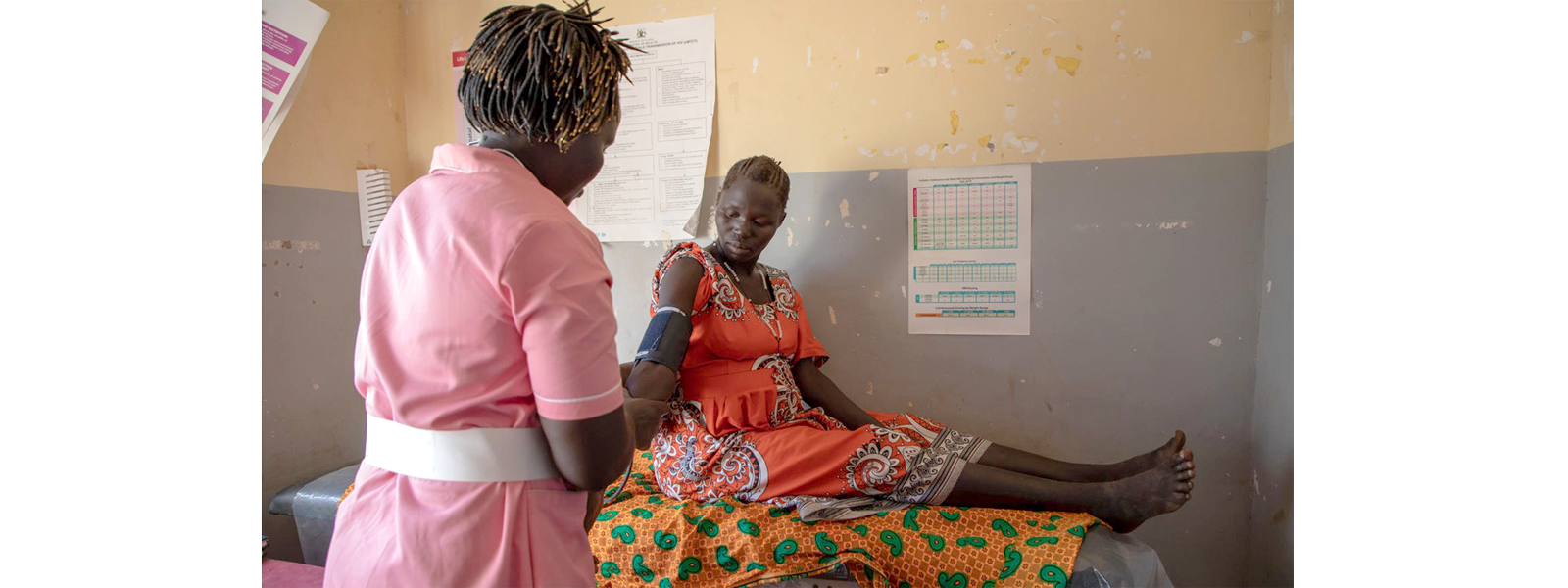
WHO issues first global guideline to improve pregnancy care for women with sickle cell disease
The World Health Organization (WHO) today released its first-ever global guideline on the management of sickle cell disease (SCD) during pregnancy, addressing a critical and growing health challenge that can have life-threatening consequences for both women and babies.
SCD is a group of inherited blood disorders characterized by abnormally shaped red blood cells that resemble crescents or sickles. These cells can block blood flow, causing severe anaemia, episodes of severe pain, recurrent infections, as well as medical emergencies like strokes, sepsis or organ failures.
Health risks associated with SCD intensify during pregnancy, due to heightened demands on the body’s oxygen and nutrient supply. Women with SCD face a 4- to 11-fold higher likelihood of maternal death than those without. They are more likely to experience obstetric complications like pre-eclampsia, while their babies are at greater risk of stillbirth or being born early or small.
“With quality health care, women with inherited blood disorders like sickle cell disease can have safe and healthy pregnancies and births,” said Dr Pascale Allotey, Director for Sexual and Reproductive Health and Research at WHO and the United Nations’ Special Programme for Human Reproduction (HRP). “This new guideline aims to improve pregnancy outcomes for those affected. With sickle cell on the rise, more investment is urgently needed to expand access to evidence-based treatments during pregnancy as well as diagnosis and information about this neglected disease.”
There are around 7.7 million people living with SCD worldwide – a figure that has increased by over 40% since 2000. SCD is estimated to cause over 375 000 deaths each year. The disease is most prevalent in malaria-endemic regions, particularly sub-Saharan Africa--which accounts for around 8 in 10 cases--as well as parts of the Middle East, the Caribbean, and South Asia. With population movements and improvements in life expectancy, the sickle cell gene is also becoming more widespread globally, meaning more maternity care providers need to know how to manage the disease.