
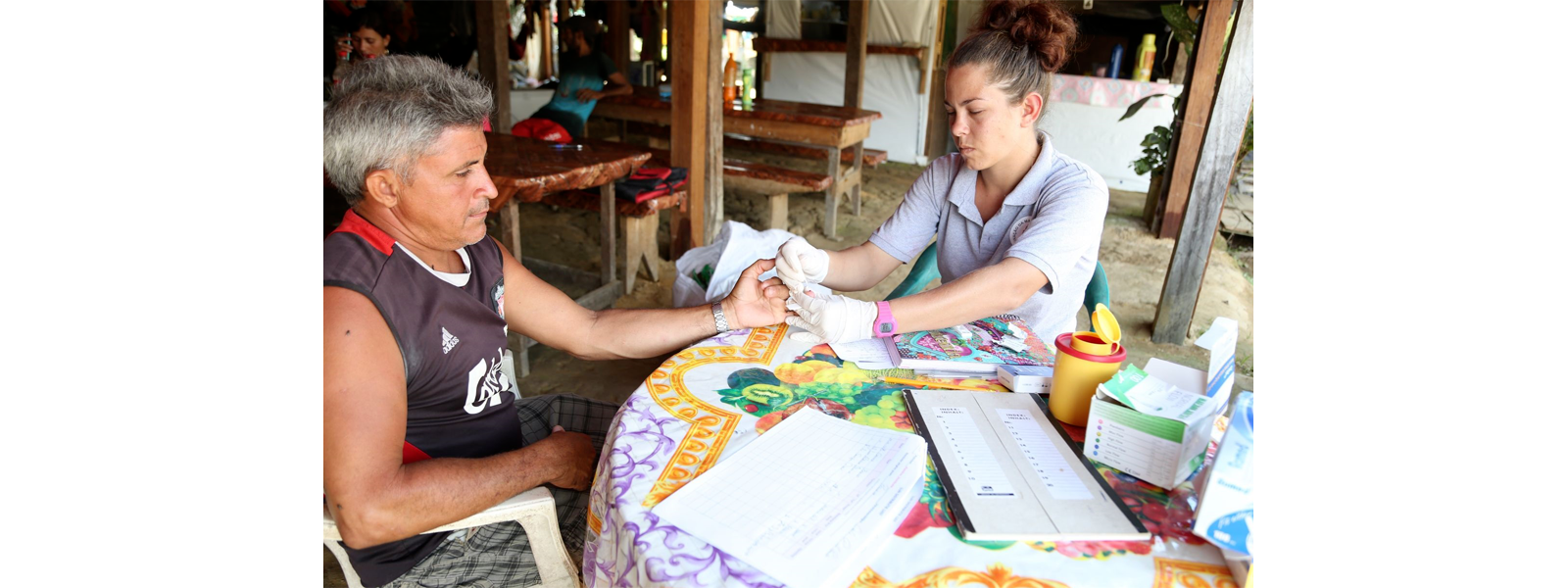
Suriname certified malaria-free by WHO
Today, Suriname became the first country in the Amazon region to receive malaria-free certification from the World Health Organization (WHO). This historic milestone follows nearly 70 years of commitment by the government and people of Suriname to eliminate the disease across its vast rainforests and diverse communities.
“WHO congratulates Suriname on this remarkable achievement,” said Dr Tedros Adhanom Ghebreyesus, WHO Director-General. “This certification is a powerful affirmation of the principle that everyone—regardless of nationality, background, or migration status—deserves universal access to malaria diagnosis and treatment. Suriname’s steadfast commitment to health equity serves as an inspiration to all countries striving for a malaria-free future.”
With today’s announcement, a total of 46 countries and 1 territory have been certified as malaria-free by WHO, including 12 countries in the Region of the Americas.
“Suriname did what was needed to eliminate malaria—detecting and treating every case quickly, investigating to prevent spread, and engaging communities,” said Dr Jarbas Barbosa, Director of the Pan American Health Organization (PAHO), WHO’s regional office for the Americas. “This certification reflects years of sustained effort, especially reaching remote areas. It means future generations can grow up free from this potentially deadly disease.”
Certification of malaria elimination is granted by WHO when a country has proven, beyond reasonable doubt, that the chain of indigenous transmission has been interrupted nationwide for at least the previous three consecutive years.