
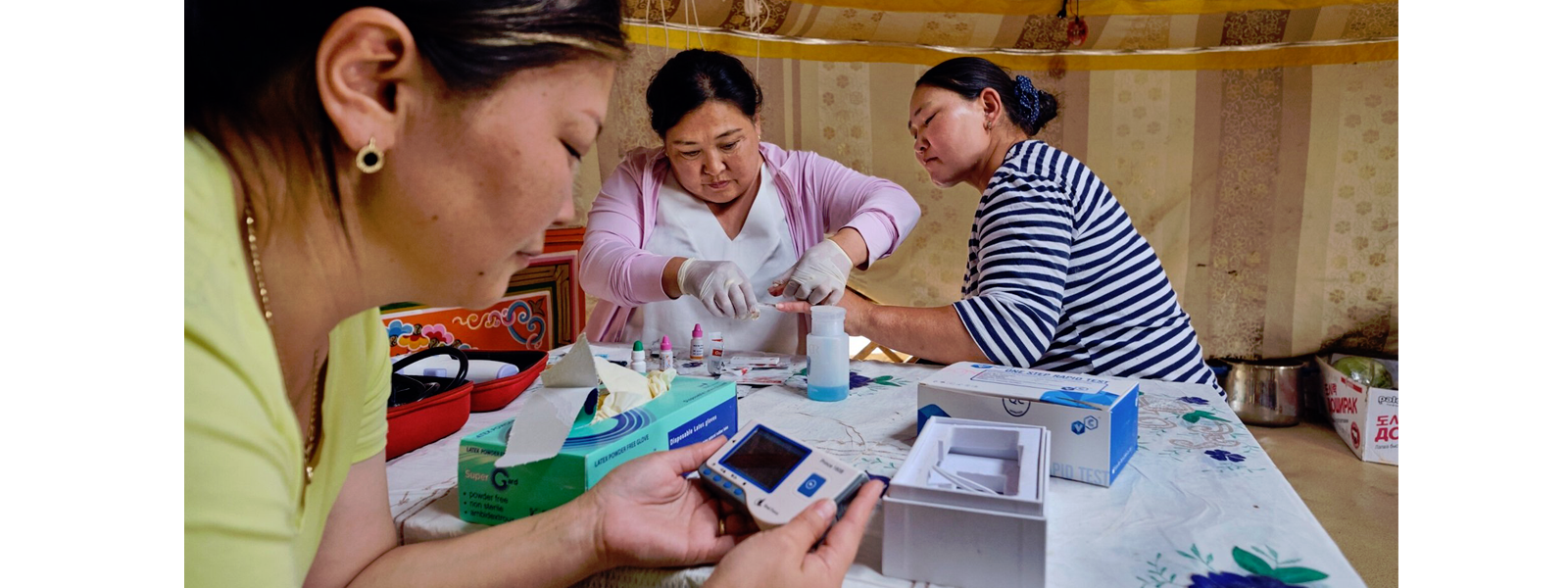
WHO urges action on hepatitis, announcing hepatitis D as carcinogenic
As we mark World Hepatitis Day, WHO calls on governments and partners to urgently accelerate efforts to eliminate viral hepatitis as a public health threat and reduce liver cancer deaths.
"Every 30 seconds, someone dies from a hepatitis-related severe liver disease or liver cancer. Yet we have the tools to stop hepatitis,” said Dr Tedros Adhanom Ghebreyesus, WHO Director-General.
Viral hepatitis – types A, B, C, D, and E – are major causes of acute liver infection. Among these only hepatitis B, C, and D can lead to chronic infections that significantly increase the risk of cirrhosis, liver failure, or liver cancer. Yet most people with hepatitis don’t know they’re infected. Types B, C, and D affect over 300 million people globally and cause more than 1.3 million deaths each year, mainly from liver cirrhosis and cancer.
Hepatitis D now classified as carcinogenic
The International Agency for Research on Cancer (IARC) recently classified hepatitis D as carcinogenic to humans, just like hepatitis B and C. Hepatitis D, which only affects individuals infected with the hepatitis B, is associated with a two- to six-fold higher risk of liver cancer compared to hepatitis B alone. This reclassification marks a critical step in global efforts to raise awareness, improve screening, and expand access to new treatments for hepatitis D.
“WHO has published guidelines on testing and diagnosis of Hepatitis B and D in 2024, and is actively following the clinical outcomes from innovative treatments for hepatitis D,” said Dr Meg Doherty, incoming Director of Science for Health at WHO.
Treatment with oral medicine can cure hepatitis C within 2 to 3 months and effectively suppress hepatitis B with life-long therapy. Treatment options for hepatitis D are evolving. However, the full benefit of reducing liver cirrhosis and cancer deaths can only be realized through urgent action to scale up and integrate hepatitis services – including vaccination, testing, harm reduction, and treatment – into national health systems.
Read the full story here