
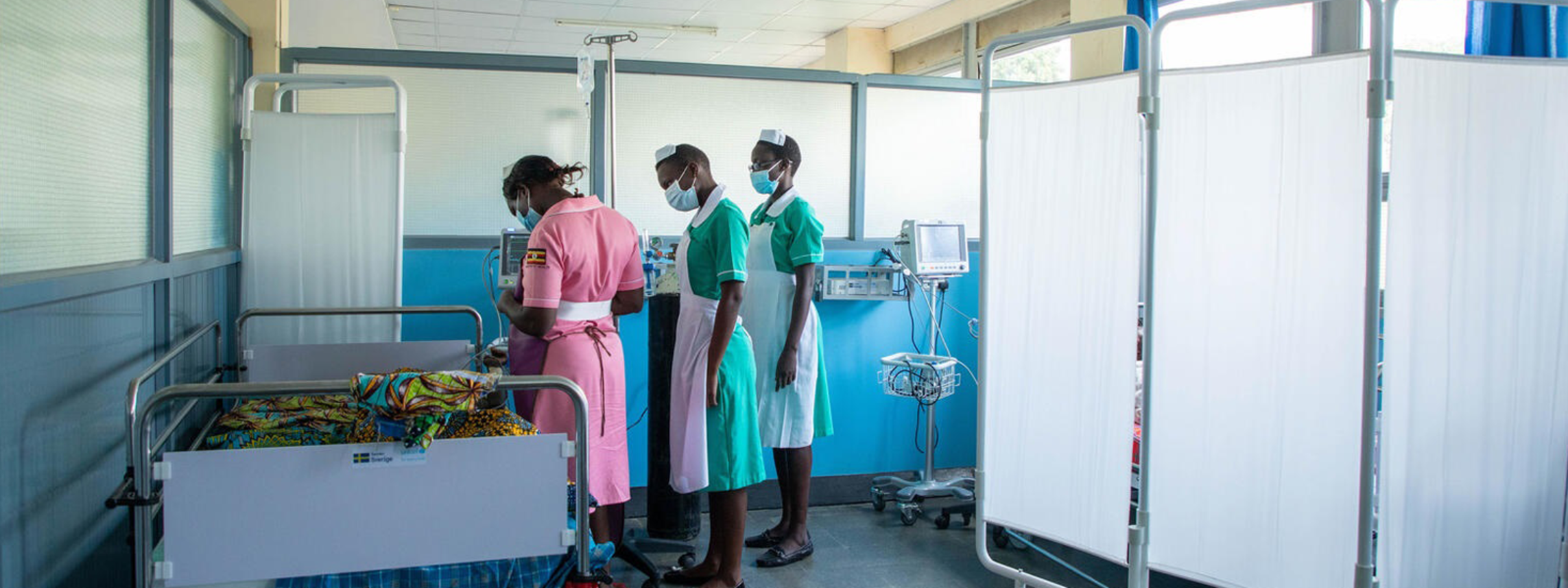
A new study by the World Health Organization (WHO), the UN’s Special Programme in Human Reproduction (HRP) and the University of Liverpool, published in the New England Journal of Medicine, shows that a structured, sustainable approach to infection prevention and control saves women’s lives by reducing severe maternal infections and deaths by 30% compared to usual care.
Maternal infection and sepsis, a dangerous condition that arises when the body’s response to infection causes injury to its own tissues and organs during or after pregnancy, remain one of the leading causes of maternal death worldwide. In many health facilities, simple, evidence-based practices such as hand hygiene, early infection detection and timely treatment are inconsistently applied. The Active Prevention and Treatment of Maternal Sepsis (APT-Sepsis) programme was designed to close these gaps by supporting health workers to follow WHO’s “five moments for hand hygiene,” to apply WHO guidance on maternal infection prevention and treatment, and to use the FAST-M bundle: fluids, antibiotics, source control, transfer if required, and monitoring for early recognition and response to sepsis.
The trial, conducted in 59 hospitals across Malawi and Uganda, and involving 431 394 women giving birth, shows that these actions make a substantial difference to clinical outcomes. Hospitals that implemented APT-Sepsis saw a 32% reduction in infection-related maternal mortality and severe morbidity. Further, they reported improvements in hand hygiene compliance, antibiotic prophylaxis during caesarean sections and routine vital sign monitoring.
The APT-Sepsis programme promotes a targeted, systems-based approach to preventing and treating maternal infections. It helps health-care workers apply evidence-based WHO recommendations – ensuring that antibiotics are used appropriately and only when needed, alongside other critical actions such as proper hand hygiene, antiseptic preparation before surgery, early detection of infection, and the structured use of the FAST-M treatment bundle.
This demonstrates that applying WHO guidance through a structured, sustainable approach can transform maternal care, even in resource-constrained settings. The findings highlight how better infection prevention, hygiene and timely care can save thousands of mothers’ lives each year.